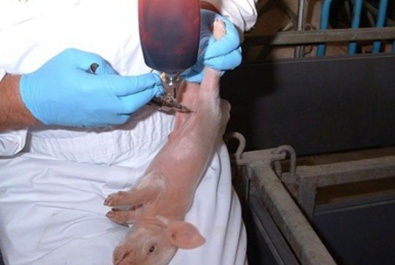
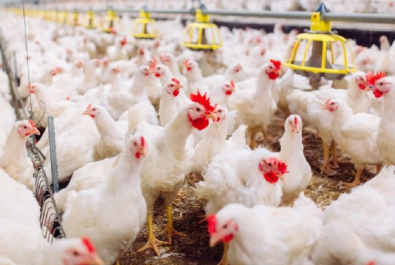
In intensive pig production, two bacterial pathogens, Glaesserella parasuis (the cause of Glässer’s disease) and Streptococcus suis (the cause of streptococcal disease), are consistently among the leading causes of economic loss.
Although they often occur together and produce similar clinical signs, these are two entirely different diseases in terms of epidemiology, pathogenesis and control strategy.
Glässer’s disease, caused by Glaesserella parasuis, and streptococcal disease, caused by Streptococcus suis, are the two most common and costly bacterial diseases in pig production today. They are easily mistaken for one another because they share many clinical signs, such as fever, anorexia, arthritis, lameness and sudden death, and they typically occur in the post-weaning period when pigs are under stress. However, they are distinct diseases with their own characteristics:
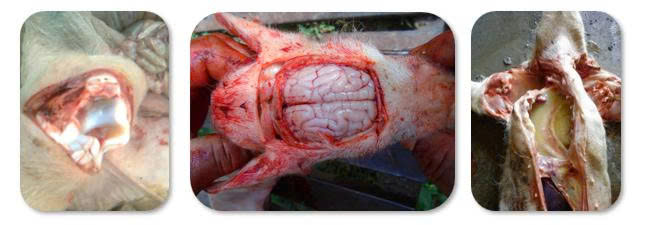
A key issue is that both pathogens tend to flare up in the post-weaning period. At this stage, maternally derived antibodies (MDA) decline rapidly while the piglet’s immune system is still immature, creating a “window of susceptibility” in which pigs are highly vulnerable to disease. In addition, the bacteria can be carried within the herd, particularly by sows, and transmitted to piglets from an early age. Furthermore, each bacterium comprises numerous serovars, which makes prevention far from straightforward:
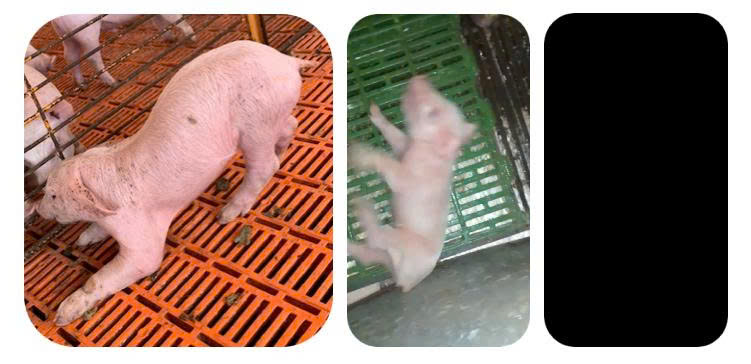
For effective control, producers therefore need a proactive prevention program, particularly the use of an appropriate vaccine. Under field conditions, where the two diseases frequently occur concurrently, vaccinating against both pathogens at the same time is more effective.
Given that the two diseases often appear together, are difficult to distinguish clinically and cause heavy losses after weaning, focusing on each disease separately rarely delivers optimal results. Producers today need a more proactive solution that provides comprehensive protection during the most vulnerable stage while reducing reliance on antibiotics and limiting the risk of outbreaks. Combination vaccines are therefore attracting growing interest, and among them Suisbact stands out. It is an inactivated vaccine that protects against both Glässer’s disease (Glaesserella parasuis) and streptococcal disease (Streptococcus suis) simultaneously, providing dual protection suited to current production conditions.
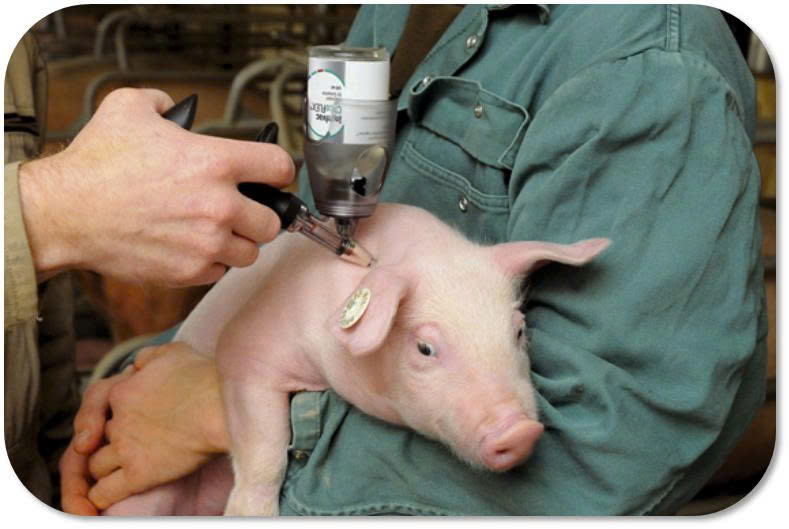
Beyond routine disease prevention, Suisbact is regarded as a practical solution that allows producers to control two key post-weaning diseases within a single vaccination program. It is particularly well suited to herds that are regularly exposed to stress, environmental challenges and the risk of co-infection, helping to stabilize herd health and reduce the risk of outbreaks.
The key advantages of Suisbact include:
With these benefits, Suisbact not only helps control disease effectively but also contributes to higher productivity and profitability for producers in a sustainable manner.