In late March 2026, China officially reported outbreaks of foot-and-mouth disease (FMD) caused by serotype SAT-1, a virus type rarely seen in Asia.
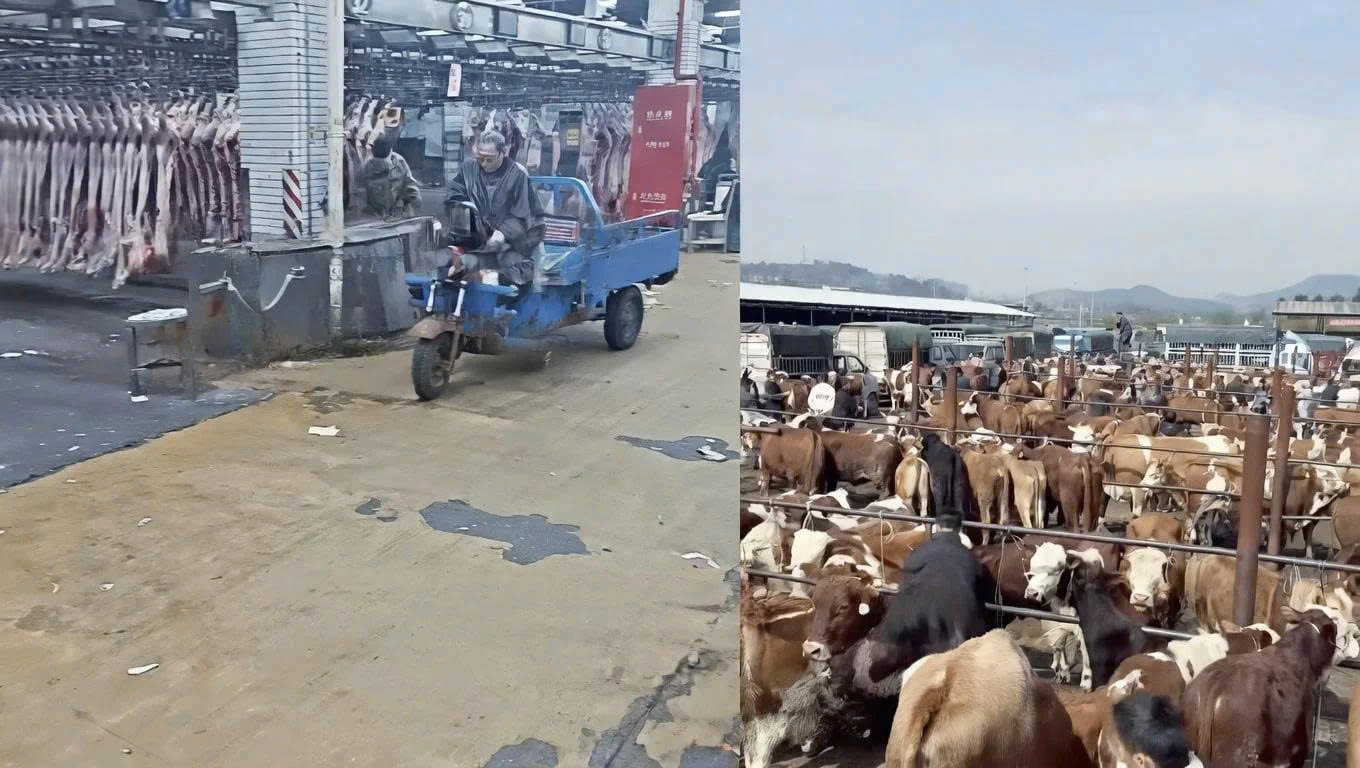
The index outbreaks were identified in Yining County (Xinjiang) and Gulang County (Gansu). In Xinjiang, the outbreak occurred at a livestock trading market, where 142 of 513 cattle were affected, indicating extremely rapid spread in a high-density environment. In Gansu, a large-scale farm recorded 77 infected cattle out of 5,716. In total, 219 positive cases were confirmed in the initial phase. Beyond these two areas, the disease has also reportedly shown signs of spreading to other provinces, including Shanxi, Inner Mongolia, Yunnan and Jiangsu, indicating a risk of widespread dissemination.
In response, the Chinese authorities rapidly implemented strict control measures, including culling of infected livestock, large-scale disinfection, and closure of livestock markets to minimize the spread of the virus.
The SAT-1 serotype of FMD virus (FMDV) originates from Southern Africa and the Middle East. It adapts readily and spreads efficiently among many livestock species, including cattle, pigs, goats and sheep. The main sources of infection are infected or carrier animals, which shed the virus in oral and nasal secretions, saliva, vesicular fluid and feces. The virus can persist in the environment, particularly under moist and cold conditions, and is transmitted indirectly via farm equipment, transport vehicles, and contaminated feed and water. The incubation period typically ranges from 2 to 14 days, most commonly 3 to 5 days. Animals may begin shedding the virus before showing clinical signs, which increases the risk of silent spread.
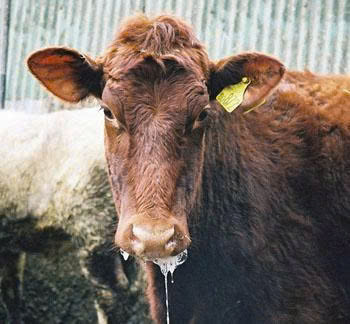
Typical clinical signs include high fever, profuse salivation, and vesicles on the mucous membranes of the mouth, gums and tongue, as well as in the interdigital space and on the coronary band. These lesions cause pain and lameness, with reduced feed intake or anorexia. In pigs and dairy cattle, marked reductions in weight gain and milk yield may be observed. In young animals, particularly calves and piglets, SAT-1 can cause acute myocarditis, leading to sudden death without typical vesicular lesions. In addition, secondary diseases often occur as a result of immunosuppression. These include secondary bacterial infections such as E. coli, Salmonella, bacterial pneumonia and Mycoplasma infections, which increase mortality and prolong recovery.
Regarding its microbiological characteristics, FMDV belongs to the family Picornaviridae. It is a non-enveloped virus that nevertheless persists fairly well in organic matter. However, it can be inactivated at temperatures above 56°C for approximately 30 minutes, or more rapidly at higher temperatures (≥70°C). The virus is also susceptible to common disinfectants such as iodine, formaldehyde, sodium hydroxide (NaOH), potassium hydroxide (KOH) and quaternary ammonium compounds when used at the correct concentrations. However, in the presence of heavy organic matter (feces, soil, secretions), disinfectant efficacy can be markedly reduced unless surfaces are thoroughly cleaned beforehand. Therefore, livestock housing should first be washed with a strongly alkaline detergent such as sodium hydroxide before disinfectant is applied, in order to achieve maximum virucidal efficacy.
SAT-1 is highly transmissible. It spreads not only through direct contact between animals but also through the air (aerosols), especially under high stocking densities or favorable weather conditions. Humans do not contract the disease but act as mechanical carriers, spreading the virus via clothing, footwear and equipment.
The mortality rate of SAT-1 is considered much higher than that of conventional serotypes. It can reach 50–80% in young animals, while in adult animals it ranges from 5–20%, depending on husbandry conditions, host resistance and the level of disease control. The combination of high virulence, rapid transmission and the difficulty of control with currently available vaccines has made SAT-1 one of the most dangerous virus serotypes for the livestock industry today.
One of the most serious challenges posed by SAT-1 is the absence of cross-protection with currently used FMD vaccines. Vaccination programs in Vietnam and many other Asian countries mainly use vaccines against serotypes O, A and Asia 1, which are the serotypes commonly circulating in the region. However, SAT-1 is antigenically distinct, so these vaccines do not induce effective protective immunity. As a result, even fully vaccinated herds remain at risk of infection when exposed to SAT-1. This increases the risk of widespread outbreaks and makes disease control considerably more difficult.
In addition, the supply of SAT-1-specific vaccines is currently very limited, particularly in Asia, where this serotype has rarely occurred. Developing a new vaccine requires time for research, trials and large-scale production, while the disease can spread rapidly. China is urgently seeking import sources and stepping up domestic vaccine research, while Vietnam would face similar pressure if the disease were introduced. The vaccine gap in the early phase is precisely what makes SAT-1 a particularly dangerous threat, forcing the livestock industry to rely more heavily on biosecurity and epidemiological control measures.
The risk of SAT-1 incursion into Vietnam is assessed as very high, given the country’s geographic location and its livestock trade with China. Border areas have active movement and trading of livestock and animal products, including informal cross-border trade, which creates favorable conditions for transboundary spread of the virus. Moreover, because the virus can persist in the environment and spread via vehicles, people and air, SAT-1 could enter even without the direct movement of infected animals.
In light of this situation, the Ministry of Agriculture and Rural Development of Vietnam convened an emergency meeting in mid-April 2026 to develop a response plan. The measures being implemented include strengthened control at border gates, epidemiological surveillance, early warning, and preparation of response scenarios for when an outbreak is detected. However, given the rapid spread of the disease and the shortage of specific vaccines, the possibility of a domestic outbreak remains a scenario that must be seriously prepared for.
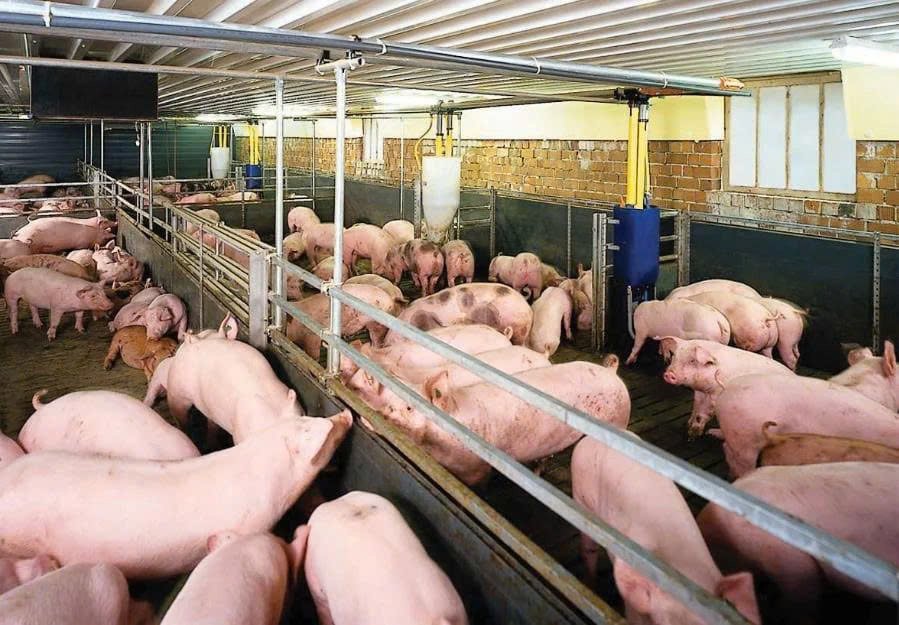
To counter the threat from SAT-1, a coordinated set of solutions must be implemented, in which on-farm biosecurity plays a key role. Farms should strictly control the entry and exit of people and vehicles, conduct regular disinfection, manage feed and drinking water supplies effectively, and quarantine newly introduced animals during a monitoring period. Early detection of clinical signs such as fever, vesicles and reduced feed intake should be emphasized so that cases can be handled promptly and spread within the herd limited.
In parallel, the management of livestock transport and markets should be strengthened. This includes strict control of inter-regional movements, limiting animal congregation at livestock markets, and ensuring traceability. In the long term, vaccine strategy should be prioritized by proactively seeking sources of SAT-1 vaccine, cooperating with international organizations, and preparing a vaccination plan for when a suitable vaccine becomes available. In addition, communication and training for farmers and local veterinary staff are essential to raise awareness and improve practical response capacity.
The emergence of FMD serotype SAT-1 in China is not merely an isolated epidemiological event but a warning signal for the entire Asian region, including Vietnam. With its high virulence, rapid transmission and, above all, the lack of readily available protective vaccines, SAT-1 poses an unprecedented challenge to livestock disease control.
In this context, proactive surveillance, strengthened biosecurity and the preparation of response scenarios are decisive factors in minimizing losses. SAT-1 could become a serious threat in the near future if it is not controlled in time. With close coordination among regulatory authorities, businesses and farmers, however, the livestock industry can substantially reduce risk and protect production.